Post-Unlink Reality: How Filipino Players are Navigating the New Casino Payment Landscape in Q3 2026
ByTJHJ
September 6, 2026Vol. 2026
Over a year after the Bangko Sentral ng Pilipinas (BSP) directive unlinked e-wallets from online gam...
Executive Summary
Over a year after the Bangko Sentral ng Pilipinas (BSP) directive unlinked e-wallets from online gambling sites, Filipino players have adapted to new payment methods, impacting transaction speeds and platform choices.
More than a year has passed since the Bangko Sentral ng Pilipinas (BSP) mandated the unlinking of e-wallets from online gambling platforms in August 2025. This directive significantly reshaped how Filipino players deposit and withdraw funds, forcing a shift in habits and a re-evaluation of transaction efficiency. While direct in-app access is gone, players continue to use GCash and Maya by directly accessing casino websites, navigating a landscape that now includes both regulated and unregulated platforms.
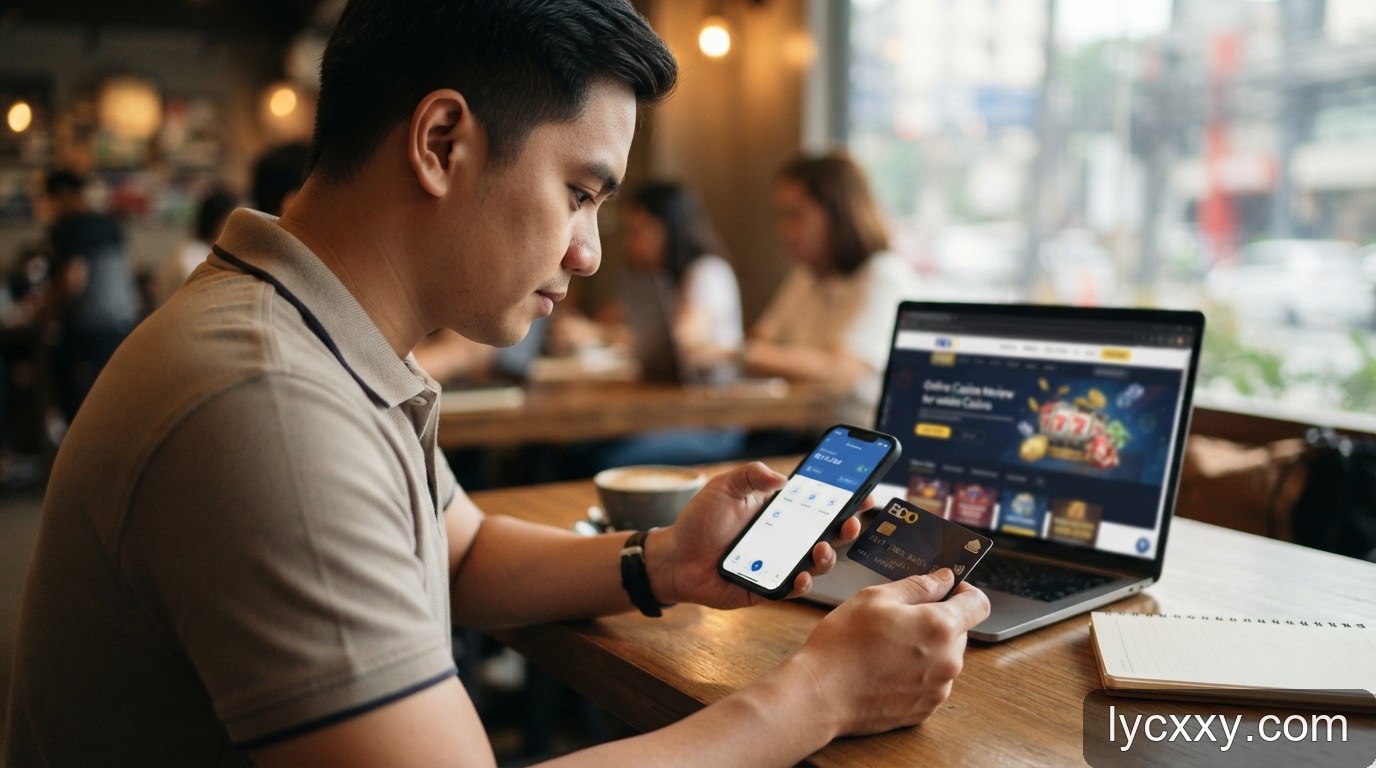
Core Takeaways for Filipino Players
- The BSP directive of August 2025 removed direct in-app links to gambling sites from e-wallets like GCash and Maya.
- Despite the unlinking, GCash and Maya remain viable payment options when accessed directly from online casino websites.
- A study indicates a significant migration of players from regulated to unregulated platforms post-directive.
- Transaction speeds for e-wallets like GCash and Maya remain competitive, often offering same-day withdrawals.
- Players must exercise caution, especially when using unregulated sites or adapting to new, less secure payment channels.
The BSP Directive and Its Immediate Aftermath
In August 2025, the Bangko Sentral ng Pilipinas (BSP) issued a pivotal directive, ordering all BSP-supervised financial institutions, including popular e-wallets like GCash and Maya, to remove in-app links and features that provided direct access to online gambling sites. This move, executed within a 48-hour window by August 16, 2025, aimed to curb the surge in online gambling transactions and address concerns about their impact on consumers' financial health.
Both GCash and Maya complied, suspending features like GLife, and advising users to withdraw funds from gaming accounts before the deadline.
The immediate effect was a disruption in the seamless payment experience many players had grown accustomed to. While the directive did not ban online gambling itself, it significantly complicated the deposit and withdrawal process for those who relied on the integrated e-wallet features. This forced a rapid adaptation among Filipino players, leading to a search for alternative methods and a re-evaluation of their preferred online casino platforms.
Player Migration: Regulated vs. Unregulated Platforms
One of the most notable consequences of the BSP unlinking directive has been a significant shift in player behavior. A study by The Fourth Wall, a Manila-based sociocultural research firm, revealed that regulated online gambling platforms experienced a substantial 70% decline in players following the unlinking. Conversely, unregulated sites saw a 40% increase in their player base.
This data suggests an unintended consequence of the directive: a migration of players towards riskier, less regulated environments where their preferred payment options might still be more readily available or less scrutinized.
This migration raises critical concerns about player safety and consumer protection. Unregulated platforms often lack the oversight, fair play guarantees, and responsible gambling measures found on licensed sites. Players on these platforms may face increased risks of fraud, unfair practices, and difficulties in dispute resolution, highlighting the importance of choosing reputable and compliant operators.
Navigating the New Deposit and Withdrawal Landscape
Despite the removal of in-app links, Filipino players can still utilize GCash and Maya for online gambling by directly accessing the gambling websites. This 'direct access' method has become the new normal for many, maintaining the e-wallets' status as a primary payment choice due to their widespread use and convenience in the Philippines.
However, the user experience is no longer as streamlined as it once was, requiring players to initiate transactions directly from the casino's cashier page rather than through an integrated e-wallet interface.
Beyond e-wallets, players are also exploring other payment avenues. Some gambling operators have adapted by leveraging alternative platforms such as Viber, Telegram, and even e-commerce sites like Lazada, where gambling vouchers are sometimes sold. While these methods offer new ways to deposit, they also introduce varying levels of security and convenience, requiring players to be vigilant about the legitimacy and safety of such channels.
Transaction Speeds in the Post-Unlink Era
In Q3 2026, transaction speeds remain a crucial factor for Filipino players. GCash and Maya continue to be among the fastest payment methods for online casinos in the Philippines, frequently offering same-day withdrawals that can range from a few minutes to 24 hours. This efficiency is a key reason for their continued popularity, even with the added step of direct website access.
Other fast options include e-wallets like Skrill and cryptocurrencies, which can facilitate almost immediate transactions. Bank transfers, while traditionally slower, have also seen improvements, with some casinos processing withdrawals within 25 minutes. However, it is important to note that the final withdrawal speed can still vary significantly depending on the specific casino operator's processing times and banking terms, regardless of the payment method chosen.
What This Means for Filipino Players
The post-unlinking reality in Q3 2026 underscores a dynamic and evolving online casino payment landscape for Filipino players. While the BSP directive aimed to mitigate risks, it has inadvertently led to a shift towards less regulated platforms for a significant portion of the player base. Players must prioritize their safety by opting for licensed and regulated online casinos whenever possible, even if it means a slightly less direct payment process.
It is crucial to remain informed about the payment methods offered by different operators and to understand their respective transaction speeds, fees, and security protocols. Always verify the legitimacy of any platform or payment channel, and be aware of the increased risks associated with unregulated sites. Responsible gambling remains paramount; if you or someone you know needs help, please contact the DOH 1553 helpline. Remember, online gambling is for individuals aged 21 and older.
参考资料
End of Dispatch • September 6, 2026
Global Supply Chain Coverage
We supply high-quality products to major markets worldwide. Explore our regional distribution and compliance standards.